
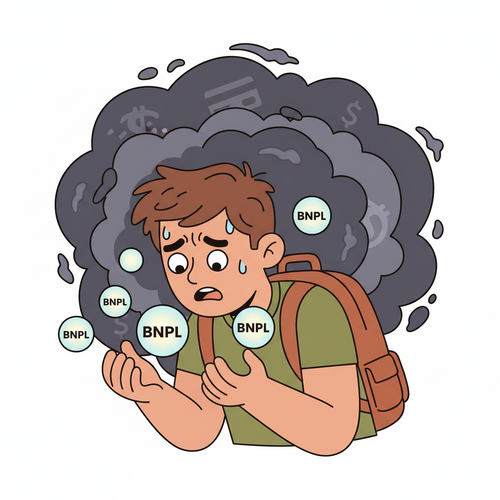
The rise of Dangers of BNPL for college students, or Buy Now, Pay Later services, presents a deceptive convenience, especially for young adults navigating financial independence. Consequently, this payment method allows consumers to acquire goods immediately while deferring full payment into installments. While seemingly harmless, BNPL schemes harbor significant risks for an already financially vulnerable demographic like college students. Therefore, understanding these potential pitfalls is paramount for maintaining sound financial health during and after higher education.
Understanding Buy Now, Pay Later (BNPL)
Specifically, BNPL services enable customers to split purchases into several interest-free payments. Typically, the first payment is due at the time of purchase. Subsequently, the remaining balance is paid over weeks or months. Furthermore, these platforms often boast no interest, making them appear more appealing than traditional credit cards. Indeed, the application process is often swift and requires minimal checks, which further lowers barriers to spending. Many popular retailers now offer BNPL options directly at checkout, simplifying its adoption. Thus, students, often operating on tight budgets, can easily be drawn to the immediate gratification these services offer.
The Allure for College Students
For instance, college students frequently face limited income and immediate financial needs. Consequently, BNPL can seem like a perfect solution for textbooks, electronics, or even clothes. The promise of instant gratification without an immediate full financial outlay is incredibly enticing. Furthermore, many students lack established credit histories, making traditional credit cards harder to obtain. BNPL, conversely, often has lower approval thresholds. In addition, the perceived “interest-free” nature masks the true cost and potential for overspending. Thus, students might use BNPL for non-essential items they otherwise could not afford.
The Hidden Dangers of BNPL for College Students
However, beneath the surface of convenience, BNPL schemes conceal numerous financial traps. These dangers can significantly impact a student’s long-term financial stability. Therefore, a careful examination of these risks is crucial for making informed decisions. Specifically, late fees, debt accumulation, and negative credit score impacts are major concerns. Indeed, these seemingly small transactions can quickly snowball into significant financial burdens.
1. Accumulating Multiple Debts
Consequently, one of the primary dangers of BNPL for college students is the ease of accumulating multiple, simultaneous debts. Students might use different BNPL services for various purchases. Each platform operates independently. Therefore, it becomes challenging to track all upcoming payment obligations. For instance, a student might have payments due for textbooks, a new laptop, and concert tickets, all through different providers. This fragmented approach to debt management increases the likelihood of missed payments. Furthermore, the combined total of these small installment plans can quickly become overwhelming. Indeed, multiple small debts can be harder to manage than one larger loan because of their sheer number.
2. Overlooking Late Fees and Penalties
While often advertised as “interest-free,” BNPL services are not without cost. Specifically, late fees are a common and significant penalty. If a student misses an installment payment, these fees can quickly add up. For instance, a small purchase might incur a late fee that negates any perceived savings. Consequently, repeated late payments can result in even higher charges. Furthermore, some services might charge a fixed fee per late payment, regardless of the amount owed. Thus, a seemingly affordable item becomes considerably more expensive due to neglected payment schedules. In addition, missing payments can lead to account suspension and further financial strain. Therefore, students must be diligent in tracking due dates, which can be difficult with multiple plans.
3. Negative Impact on Credit Scores
Initially, many BNPL providers do not perform hard credit checks. Consequently, this makes them accessible to students with limited or no credit history. However, this accessibility comes with a significant caveat. Specifically, while initial use may not impact a credit score, missed or late payments often are reported to credit bureaus. Therefore, a history of defaults can severely damage a student’s credit rating. A poor credit score can impede future financial opportunities. For instance, it can affect their ability to secure housing, get a car loan, or even obtain certain jobs. Furthermore, some BNPL providers are now beginning to report on-time payments, which could be positive, but consistently missing payments will undoubtedly have a negative effect. Thus, what starts as a small purchase can have long-lasting repercussions on a student’s financial future.
4. Encouraging Overspending
The “buy now, pay later” model inherently encourages consumers to spend beyond their immediate means. Specifically, for college students, this temptation is particularly strong. They may justify purchases they cannot truly afford by thinking, “I only have to pay a little bit now.” Consequently, this mindset can lead to impulsive buying and a disregard for their actual budget. For instance, a student might buy an expensive gaming console, rationalizing it with small installment payments. However, these small payments accumulate. Furthermore, the perceived affordability of individual items hides the total financial commitment. Thus, BNPL can foster unhealthy spending habits that are difficult to break later in life. Indeed, delaying the full financial impact can create a false sense of affluence.
5. Budgeting Challenges and Financial Stress
Managing a college budget is already a complex task. Introducing multiple BNPL payment schedules further complicates matters. Specifically, students must track numerous due dates across different platforms. This fragmented payment structure can easily lead to confusion and missed deadlines. Consequently, financial stress can increase significantly. For instance, students might find themselves struggling to cover basic expenses like groceries or rent after making several BNPL payments. Furthermore, the mental burden of constantly monitoring these obligations detracts from academic focus. Thus, what appears to be a convenient payment option can quickly become a source of anxiety and financial instability. Indeed, a clear understanding of cash flow is vital for students, and BNPL can obscure this clarity.
Alternatives to BNPL for College Students
Fortunately, college students have several responsible alternatives to consider before resorting to BNPL. Embracing these options promotes better financial habits. Therefore, students can build a stronger foundation for their financial future. Specifically, focusing on budgeting and saving is crucial. Furthermore, traditional credit options can be explored with caution. Indeed, financial literacy is key to navigating these choices effectively.
1. Creating and Sticking to a Budget
Indeed, a well-structured budget is the cornerstone of good financial management. Students should meticulously track their income and expenses. Consequently, they can identify areas where they can save. For instance, creating a spreadsheet or using a budgeting app can provide clear insights into spending habits. Furthermore, allocating specific amounts for essentials like food, rent, and transportation helps prevent overspending. Thus, living within one’s means is the most reliable way to avoid debt. In addition, seeing where money goes fosters a sense of control and responsibility. Therefore, understanding your financial limits is always the best first step.
2. Building an Emergency Fund
Saving for unexpected expenses is another vital financial practice. Specifically, even a small emergency fund can prevent reliance on BNPL or high-interest loans. For instance, setting aside a little money from each paycheck or student loan disbursement can build a safety net. Consequently, if a laptop breaks or an unexpected medical bill arises, students have resources. Furthermore, this practice instills discipline and reduces financial anxiety. Thus, an emergency fund provides peace of mind. Indeed, financial resilience is built one saved dollar at a time.
3. Exploring Traditional Credit Cards (Responsibly)
Conversely, while BNPL schemes offer instant gratification, traditional credit cards, when used responsibly, can build positive credit history. Specifically, students can consider a secured credit card or a student credit card with a low limit. For instance, making small purchases and paying the balance in full and on time each month is crucial. Furthermore, this approach demonstrates responsible credit behavior to credit bureaus. Therefore, it builds a foundation for larger financial milestones later on. Indeed, the key is discipline and avoiding overspending. However, it requires careful management to avoid falling into debt. Reuters offers valuable insights into global financial markets and consumer trends.
4. Seeking Financial Aid and Student Loans Wisely
For larger educational expenses, legitimate financial aid and student loans are available. Specifically, federal student loans often come with lower interest rates and more flexible repayment options than private loans. Consequently, understanding the terms and conditions of any loan is paramount. For instance, only borrowing what is absolutely necessary minimizes future debt burden. Furthermore, exploring scholarships and grants can reduce the need for loans entirely. Thus, students should always prioritize grants and scholarships first. In addition, consulting a financial advisor at their institution can provide tailored guidance. Investopedia provides comprehensive financial education resources.
5. Prioritizing Needs Over Wants
Ultimately, a fundamental shift in mindset can prevent many financial pitfalls. Specifically, distinguishing between “needs” and “wants” is essential. For instance, a new textbook is a need, whereas the latest smartphone might be a want. Consequently, delaying gratification for wants until funds are readily available prevents debt. Furthermore, learning to live within one’s means during college builds invaluable financial discipline. Thus, students can make smarter spending choices. Indeed, financial prudence now yields significant benefits in the future. The Wall Street Journal offers current business and financial news.
Conclusion
In conclusion, while Buy Now, Pay Later services may offer an immediate solution for college students, their underlying dangers are substantial. Therefore, the allure of instant gratification should not overshadow the potential for accumulating debt, damaging credit scores, and fostering poor financial habits. Specifically, students must exercise extreme caution. Furthermore, prioritizing responsible financial practices like budgeting, saving, and using credit cards wisely is paramount. Indeed, understanding the true cost of convenience protects students from long-term financial distress. Consequently, making informed choices about spending and borrowing will pave the way for a secure and prosperous financial future. Thus, knowledge and discipline are a student’s best allies in navigating the complexities of modern consumer finance. NerdWallet provides personal finance advice and tools. The Consumer Financial Protection Bureau (CFPB) offers consumer protection resources.