
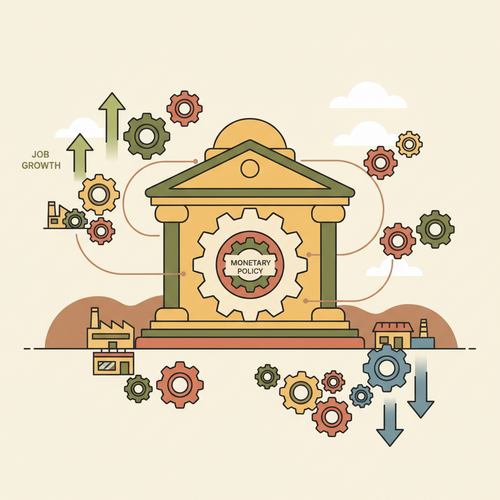
Understanding the role of central banks is crucial. This applies to everyone. Beginner investors must comprehend the economic landscape. Central banks wield immense power. They influence national and global economies directly. Therefore, their decisions create ripples. Consequently, these choices affect your employment opportunities. They also impact your financial well-being. This article demystifies these institutions. We will explore how their policies impact your career.
What Exactly Are Central Banks?
Central banks are the cornerstone of finance. They function as national authorities. For instance, the United States has the Federal Reserve. It operates with significant independence. Similarly, the Eurozone relies on the European Central Bank (ECB). These institutions oversee the monetary system. Furthermore, they ensure stability.
Their goals are specific. They aim for price stability. They also strive for maximum employment. Historically, they evolved to stabilize banking. They act as a ‘bank for banks’. Specifically, they extend credit to commercial banks. Thus, they form the bedrock of the financial system. The role of central banks is fundamental to economic health.
The Dual Mandate: A Balancing Act
Many banks operate under a dual mandate. The U.S. Federal Reserve is a prime example. They must aim for stable prices. Simultaneously, they must foster maximum employment. However, achieving both is challenging. Aggressive policies to reduce inflation might hurt growth. Conversely, efforts to boost employment could trigger inflation.
Consequently, bankers must balance these objectives. They use data analysis and foresight. This delicate act shapes the environment. It influences consumer confidence significantly. Furthermore, their independence is critical. It protects them from political pressures. This ensures long-term credibility.
Essential Monetary Policy Tools
Central banks utilize sophisticated tools. These instruments influence the money supply. They also control credit availability. Understanding these tools is essential. Let’s explore the primary mechanisms.
1. Interest Rates: The Primary Lever
The most recognized tool is interest rates. The Fed targets the federal funds rate. This is the rate banks use to lend to each other. It influences all other rates. This includes mortgages and business loans. Therefore, when the bank lowers rates, borrowing becomes cheaper. Consequently, this stimulates spending. It encourages business expansion. Conversely, raising rates makes borrowing expensive. This discourages spending. It helps cool an overheating economy. Indeed, markets watch these changes closely.
2. Quantitative Easing (QE) and Tightening (QT)
Quantitative easing is an unconventional tool. It involves large-scale asset purchases. During recessions, a central bank buys government bonds. This action injects money into the system. Therefore, it lowers long-term interest rates. It makes credit accessible. Conversely, quantitative tightening (QT) sells these assets. This reduces the money supply. Consequently, QT pushes rates higher. These tools became prominent after 2008. They provide an additional lever for policymakers.
3. Reserve Requirements
Banks must hold specific reserves. The central bank sets this requirement. A higher requirement means less capital to lend. Therefore, this restricts the money supply. A lower requirement frees up capital. Consequently, this expands the money supply. While less frequent, this tool is potent. Even minor adjustments have significant impacts.
How The Role of Central Banks Impacts the Economy
The effects of policy are far-reaching. Decisions influence inflation and growth. Thus, understanding these connections is vital. It reveals how policy touches your life.
Inflation and Deflation
Banks strive for stable inflation. They often target 2% annually. High inflation erodes purchasing power. It creates uncertainty. Conversely, deflation leads to stagnation. Consumers delay purchases. Therefore, policy aims to keep inflation within targets. Low rates can fuel inflation. High rates combat it effectively. Maintaining stability is key. It allows businesses to plan and grow.
Economic Growth and Recession
Accommodative policy encourages expansion. Low rates make borrowing cheaper. Businesses invest in innovation. Consumers spend more. Consequently, this creates jobs. Conversely, restrictive policy slows growth. High rates deter borrowing. This can precipitate a recession. Therefore, central banks navigate a narrow path. Their actions influence the pace of activity directly. A growing economy offers diverse job opportunities.
The Direct Link to Your Job Prospects
The connection to your career is significant. The role of central banks shapes labor demand. Understanding this empowers you. You can anticipate economic shifts. Therefore, stay informed.
When Rates Are Low
Low rates foster hiring. Businesses borrow cheaply to expand. A manufacturer might build a new factory. This requires new workers. Startups find it easier to secure funding. They hire engineers and marketers. Furthermore, consumer spending increases. This boosts retail and hospitality. Consequently, these sectors expand. Prolonged low rates coincide with robust job markets.
When Rates Are High
Conversely, high rates cool the market. Borrowing becomes expensive. Companies postpone expansion. They might cancel projects. Some resort to downsizing. For instance, a tech company might freeze hiring. Moreover, consumer spending slows. Higher mortgage payments reduce disposable income. Consequently, demand falls. This leads to layoffs. Industries like construction feel the impact most. Thus, job growth slows significantly.
Sector-Specific Impacts
Policy impacts sectors unevenly. Construction reacts quickly to rate changes. High mortgage rates slow housing starts. This reduces demand for workers. Technology companies also feel the pinch. They rely on cheap capital. Conversely, healthcare is resilient. Demand for services remains stable. Therefore, understand your industry’s sensitivity. This assists in proactive career planning.
The Future: CBDCs and Innovation
The landscape is evolving. Central Bank Digital Currencies (CBDCs) are emerging. These are digital forms of fiat money. They could revolutionize payments. They offer faster, cheaper transactions. However, they raise privacy concerns. Central banks are studying this closely. The Bank for International Settlements (BIS) provides research on this. Understanding this trend is vital for future finance careers.
Conclusion
The role of central banks is profound. Their decisions affect your job. Whether adjusting rates or using QE, they create ripples. Therefore, develop a clear understanding. Low rates fuel job creation. High rates slow growth. Indeed, awareness empowers you. You can make informed choices. Consequently, you prepare for economic shifts. Continuous learning is rewarding. It secures your financial future. Check the International Monetary Fund (IMF) for more insights.