
Executive Summary
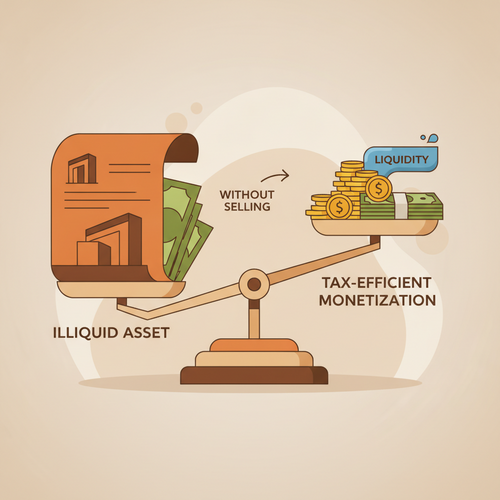
- Ultra-High-Net-Worth (UHNW) liquidity facilities enable significant capital access.
- These sophisticated financial instruments allow monetization of concentrated equity without triggering immediate capital gains taxes.
- Strategic deployment facilitates diversification, estate planning, and further investment, preserving long-term wealth.
The Strategic Imperative for UHNW Liquidity
Ultra-High-Net-Worth individuals frequently hold substantial wealth in concentrated equity positions. These often derive from founder shares, early-stage investments, or inherited portfolios. Such concentrations create significant illiquidity and introduce substantial idiosyncratic risk. Monetizing these assets conventionally, through direct sale, incurs immediate and often substantial capital gains tax liabilities. This diminishes net proceeds significantly. The strategic imperative, therefore, centers on unlocking value without premature tax realization.
High net worth investors seek advanced solutions. They require capital for diverse needs. These include philanthropic endeavors, new ventures, or portfolio diversification. Traditional lending often proves inefficient for these complex asset structures. Sophisticated liquidity facilities provide a tailored alternative. They address specific challenges inherent in large, undiversified holdings.
Deconstructing Liquidity Facilities: Mechanics and Structures
Ultra-High-Net-Worth liquidity facilities are specialized credit instruments. They are typically structured as non-recourse or limited-recourse loans. The underlying concentrated equity position serves as collateral. Lenders assess the quality and liquidity of the pledged shares. This determines the loan-to-value (LTV) ratio. LTVs vary widely, influenced by market volatility and collateral specifics.
These facilities function distinctively. You receive cash proceeds upfront. The equity position remains intact, not sold. This avoids a taxable event. The loan terms are meticulously negotiated. Key elements include interest rates, repayment schedules, and financial covenants. Covenants often relate to market capitalization thresholds or ownership percentages. Default triggers are carefully defined. These protect both the borrower and the lender. From an operational standpoint, these facilities demand precise execution and ongoing monitoring.
Non-Recourse vs. Limited-Recourse Structures
A non-recourse loan holds significant appeal. The borrower’s liability is limited strictly to the collateral. Personal assets remain protected. In contrast, a limited-recourse facility may extend liability beyond the collateral under specific conditions. These conditions are usually predefined and stringent. Understanding these nuances is critical for risk management. Practitioners often observe a preference for non-recourse structures among sophisticated clients.
Tax Deferral and Capital Gains Optimization
The primary advantage of these facilities is tax deferral. A loan is not a sale. Therefore, no capital gains event occurs upon funding. This allows the UHNW investor to access liquidity without realizing immediate taxable income. The equity’s cost basis remains unchanged. This is crucial for long-term wealth planning. The investor retains upside potential of the underlying stock. This is a powerful mechanism for wealth preservation. You maintain strategic control over your asset’s disposition.
This deferral can extend for years. It allows for potential “basis step-up” at death. This is a vital estate planning consideration. Heirs may receive the asset valued at market price at the time of inheritance. This effectively erases prior capital gains liability for them. The facility thus acts as a bridge. It provides liquidity while preserving the full tax benefits of long-term holding. This approach significantly enhances generational wealth transfer. Capital gains are thus meticulously managed.
Expert Insight: “In analyzing recent market shifts, we see increased demand for structured credit solutions. These facilities provide an elegant workaround for the inherent illiquidity of concentrated equity positions. They optimize tax outcomes, offering significant long-term financial advantages.”
Risk Mitigation and Due Diligence in Facility Execution
While advantageous, these facilities carry inherent risks. Due diligence is paramount. Counterparty risk is a significant factor. You must assess the lender’s financial stability and reputation. Market volatility can impact collateral value. A sharp decline could trigger margin calls or covenant breaches. This necessitates proactive risk management strategies. Hedging instruments, such as collars or put options, can mitigate downside exposure. However, these also introduce costs and complexities.
Legal documentation requires meticulous review. Terms, conditions, and event of default clauses must be fully understood. Prepayment penalties are often substantial. Exit strategies must be planned well in advance. Consider the impact of regulatory changes. These could affect the underlying asset or the lending environment. A comprehensive risk assessment includes liquidity risk, interest rate risk, and legal risk. Concentrated positions require careful handling.
Key Risk Factors to Monitor:
- Market Volatility: Fluctuations in the underlying stock price directly impact collateral value and LTV ratios.
- Interest Rate Risk: Variable rate facilities are exposed to rising interest rates, increasing borrowing costs.
- Covenant Breaches: Failure to meet financial thresholds can lead to acceleration of repayment or collateral liquidation.
- Counterparty Credit Risk: The solvency and reliability of the lending institution are critical considerations.
- Regulatory Changes: Evolving financial regulations could impact facility terms or compliance requirements.
Advanced Use Cases and Strategic Implementations
Beyond simple liquidity, these facilities offer robust strategic applications. They enable diversification without forced sales. You can redeploy loan proceeds into a diversified portfolio. This reduces single-stock exposure. Another key application is estate planning. Loan proceeds can fund trusts or philanthropic foundations immediately. This fulfills objectives while preserving the primary asset for future generations. Moreover, these facilities can facilitate private equity investments or direct entrepreneurial ventures. This leverages illiquid wealth for new growth opportunities.
From a tactical perspective, these facilities fund significant lifestyle expenditures. This avoids divesting productive assets. They can bridge capital calls for existing private investments. They also provide dry powder for opportunistic acquisitions. The flexibility is a cornerstone of their value proposition. They empower UHNW individuals to maintain optimal asset allocation. This happens while addressing immediate financial needs. Industry trends suggest an increasing sophistication in their deployment.
Comparing Facility Types: Tailored Solutions for Complex Portfolios
The market offers various liquidity facility structures. Each caters to specific client needs and collateral characteristics. Understanding these distinctions is crucial. The choice depends on risk tolerance, term requirements, and the nature of the underlying asset. Some facilities are highly customized, resembling bespoke financial engineering. Others follow more standardized templates, especially for highly liquid, publicly traded equities. Tailored solutions ensure optimal alignment with your financial objectives.
| Feature | Standard Equity-Backed Loan | Ultra-High-Net-Worth Liquidity Facility |
|---|---|---|
| Purpose | General liquidity, typically smaller amounts. | Tax-efficient monetization of concentrated, large-scale equity. |
| Collateral | Diversified portfolio, or single liquid stock. | Highly concentrated, often illiquid or restricted public/private equity. |
| Recourse | Often full recourse to borrower. | Typically non-recourse or limited-recourse. |
| LTV Ratios | Higher, due to diversified or highly liquid collateral. | Lower, reflecting concentration risk and potential illiquidity. |
| Tax Implication | No immediate taxable event (loan). | No immediate taxable event, primary benefit is tax deferral. |
| Complexity | Relatively simple, standardized terms. | Highly complex, bespoke legal and financial structuring. |
| Typical Borrowers | Affluent individuals, businesses. | UHNW individuals, family offices, institutional investors. |
The Regulatory Landscape and Compliance Considerations
Navigating the regulatory landscape is essential. These facilities involve sophisticated financial instruments. They often fall under specific securities laws. Compliance with SEC regulations is paramount for publicly traded collateral. Rules pertaining to “accredited investors” and “qualified purchasers” often apply. Cross-border transactions introduce additional complexities. International tax treaties and jurisdictional differences must be considered. Regulatory arbitrage is not the goal; strict adherence to legal frameworks is. This ensures robust and sustainable structures. Transparency and disclosure are key components. A thorough understanding of these frameworks is non-negotiable.
The Dodd-Frank Act, while broad, impacts financial institutions involved. Ongoing reporting requirements may exist. Legal opinions are often required for complex structures. This confirms compliance with all applicable laws. Ignorance of regulations is no defense. Consult with specialized legal and tax counsel. This protects against unforeseen complications. Such proactive measures underscore responsible wealth management.
Conclusion
Ultra-High-Net-Worth liquidity facilities represent a pinnacle of financial engineering. They offer a sophisticated pathway. You can monetize concentrated equity positions effectively. Critically, they defer substantial tax liabilities. This preserves capital for future growth. These instruments demand meticulous planning and execution. Understanding their mechanics, risks, and strategic applications is vital. They are powerful tools for significant wealth management. Are you fully leveraging these advanced solutions for your concentrated assets?