
Executive Summary
- Collateralized Loan Obligations (CLOs) are sophisticated structured finance products.
- Credit enhancement mechanisms are critical for managing inherent credit risk.
- Default tranche allocation dynamics dictate investor principal and interest recovery.
The Foundational Architecture of CLOs
Collateralized Loan Obligations represent a pivotal segment of structured finance. They pool diverse senior secured loans. These loans originate primarily from sub-investment grade corporate borrowers. A Special Purpose Vehicle (SPV) issues various debt and equity tranches.
Each tranche carries a distinct risk and return profile. The underlying assets generate cash flows. These cash flows service the various tranches according to a strict payment waterfall. Understanding this architecture is fundamental for investors.
The CLO structure isolates asset risk from the originating entity. This provides credit isolation. It also allows for efficient capital market access. Managers actively manage the loan portfolio within defined parameters.
Credit Enhancement Mechanisms: A Strategic Imperative
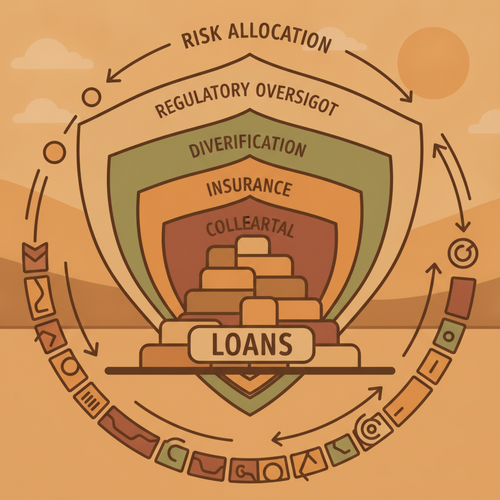
Credit enhancement is paramount in CLO structuring. It mitigates potential losses from underlying loan defaults. These mechanisms bolster the credit quality of senior tranches. They are integral to achieving investment-grade ratings for senior debt.
Overcollateralization (OC) stands as a primary enhancement. This involves issuing less debt than the collateral’s par value. A buffer exists to absorb initial losses. The OC ratio is rigorously monitored.
Subordination is another critical layer. More junior tranches absorb losses before senior tranches. Equity tranches bear the first loss. Mezzanine tranches follow, then senior debt. This waterfall protection is structural.
Excess Spread provides additional protection. This refers to the difference between collateral interest income and CLO liability interest payments. It can be trapped to cover losses. This mechanism dynamically enhances credit.
Reserve Accounts also contribute to stability. These accounts hold cash for specific purposes. They may cover interest shortfalls or principal payments. Such reserves provide liquidity buffers.
Interest rate swaps can manage interest rate mismatches. CLOs often hold floating-rate assets. They may issue fixed-rate liabilities or vice-versa. Swaps neutralize basis risk, enhancing cash flow predictability.
Subordination Hierarchy and Tranche Dynamics
CLOs are structured with a distinct hierarchy of tranches. Each tranche possesses different seniority levels. This defines the order of principal and interest payments. It also dictates the allocation of losses.
Senior Tranches, typically AAA or AA-rated, sit at the top. They receive payments first. They benefit from maximum credit enhancement. Their risk of default is substantially lower.
Mezzanine Tranches occupy the middle ground. These tranches often carry ratings from A to BB. They offer higher yields than senior tranches. However, they bear more default risk. Their credit enhancement is less robust.
Equity Tranches are the most junior. They absorb the initial losses. Equity holders receive residual cash flows after all debt tranches are paid. This tranche offers the highest potential returns but carries the highest risk.
The payment waterfall ensures a sequential distribution of cash flows. Interest payments typically precede principal payments. This structure protects senior noteholders rigorously. It forms the bedrock of CLO credit risk management. For further reading, consult resources on Collateralized Loan Obligations.
Default Tranche Allocation: Modeling and Mitigation
Understanding default tranche allocation is paramount for investors. When underlying loans default, losses are allocated sequentially. The equity tranche absorbs losses first, up to its total notional amount. This is followed by mezzanine tranches.
Sophisticated models simulate various default scenarios. These models assess the impact on each tranche. Factors include default probability, recovery rates, and correlation among loans. Such analysis informs investor decisions.
Overcollateralization (OC) Tests are crucial monitoring tools. They compare the par value of collateral to the par value of outstanding debt. Breaching these tests can divert excess spread. This diversion protects senior noteholders.
Interest Coverage (IC) Tests also safeguard senior tranches. These tests compare the collateral’s interest income to the CLO’s interest expenses. A failed IC test can trigger cash flow redirection. This strengthens protection against interest shortfalls.
In analyzing recent market shifts, we observe dynamic adjustments to these tests. CLO managers often have covenants. These covenants dictate reinvestment decisions based on test performance. Active management mitigates potential default impacts.
Expert Insight: Effective default tranche allocation modeling requires robust data inputs and dynamic stress testing. Static models often underestimate systemic risk during market downturns. Portfolio diversification remains a key mitigant.
Market Imperatives and Investor Considerations
CLOs appeal to a broad spectrum of investors. Their distinct risk-return profiles cater to varying investment mandates. Institutional investors, such as insurance companies and pension funds, are significant participants.
Senior tranches attract risk-averse investors. They seek stable income with high credit ratings. Their lower yields are offset by robust structural protections. These tranches offer diversification benefits within fixed income portfolios.
Mezzanine tranches appeal to investors with higher risk appetites. They target enhanced returns. These tranches demand more granular credit analysis. Their performance is more sensitive to underlying loan quality shifts.
Equity tranches are suitable for aggressive investors. They accept substantial risk for potentially outsized returns. Equity performance is highly leveraged to the underlying loan portfolio’s health. Due diligence is critical.
Regulatory frameworks also influence CLO markets. Basel III capital requirements impact bank holdings of CLO tranches. Understanding these regulations is vital for market participants. The liquidity of specific tranches can vary significantly.
Operational Aspects of CLO Management
Effective CLO management is critical for performance optimization. The CLO manager plays a central role. Their expertise in credit analysis and portfolio construction is paramount. They actively select and monitor underlying loans.
During the reinvestment period, managers purchase new loans. This replaces repaid or defaulted assets. Strategic reinvestment maintains portfolio quality. It ensures consistent cash flow generation.
Asset-liability management (ALM) is another key operational aspect. Managers must align the assets’ cash flows with the liabilities’ payment schedule. This minimizes basis risk and interest rate risk. Effective ALM enhances CLO stability.
Credit workouts and restructurings also fall under management purview. When loans become distressed, managers negotiate terms. These actions aim to maximize recovery rates. Such interventions protect all tranches from further deterioration.
Rigorous reporting and compliance are also mandatory. Managers provide detailed reports to investors. They adhere to all regulatory requirements. Transparency builds investor confidence. It ensures market integrity.
For more details on managing risk, explore Credit Enhancement principles.
Macroeconomic Influences on CLO Performance
CLO performance is not immune to macroeconomic shifts. Broader economic conditions significantly impact underlying loan health. Recessions typically lead to higher default rates. This stresses CLO structures.
Interest rate environments directly affect CLO cash flows. Most underlying loans are floating-rate. Rising rates increase interest income for CLOs. This benefits equity and junior debt tranches.
However, rising rates can also increase corporate borrowing costs. This elevates default risk for underlying companies. The net effect depends on the pace and magnitude of rate changes. Careful analysis is required.
Credit spreads also play a vital role. Wider credit spreads on new loans can enhance CLO arbitrage opportunities. Tighter spreads reduce this arbitrage. This impacts the initial structuring attractiveness of new CLO issuance.
Regulatory changes, as mentioned, can reshape market dynamics. Stricter capital rules might reduce bank participation. This could affect demand for certain CLO tranches. Monitoring regulatory developments is essential.
Market Warning: Geopolitical events and unforeseen economic shocks can rapidly alter CLO risk profiles. Diversification across managers and vintages can mitigate some of these external risks.
Conclusion
Collateralized Loan Obligations represent intricate financial instruments. Their design incorporates sophisticated credit enhancement mechanisms. These structures aim to insulate senior tranches from default risks. Understanding the nuances of tranche allocation is critical.
Effective modeling and active management are indispensable. Investors must carefully assess risk-return profiles. Macroeconomic factors continually influence performance. How will evolving credit markets reshape CLO structuring strategies in the coming years?